
Struggle for Hindu Existence
*Hindu Rights to Survive with Dignity & Sovereignty *Join Hindu Freedom Movement to make Bharat Hindu Rashtra within this lifetime *Jai Shri Ram *Jayatu Jayatu Hindu Rashtram *Editor: Upananda Brahmachari.
Sanatan Hindu Dharma aur Samrudh Bharat
Eternal Hindu Dharma and Prosperous India
By Upananda Brahmachari
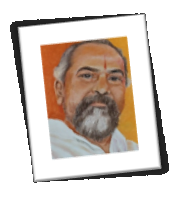 This is an attempt to understand the deep connection between Sanatan Hindu Dharma and the dream of a Samrudh Bharat i.e. Prosperous India. Sanatan Hindu Dharma, often referred to as Hinduism, is one of the oldest and most diverse spiritual traditions in the world. It encompasses a wide range of philosophies, practices, and cultural expressions that have evolved over thousands of years.
The Concept of Dharma
Dharma is derived from the root “dhṛ” which means to hold or uphold. Sanatan Hindu Dharma emphasizes the importance of upholding the eternal values of righteousness and morality. The scripture describes the identity of Dharma by stating that eating, sleeping, fear, and copulation are four things that are common to both humans and animals, but Dharma is what distinguishes humans from animals. Without Dharma, humans become like animals (aahar nidra bhayà maithunam cha samanyametat pashubhinaranram dharmo hi teshamadhiko visheshah dhrmena hinaah pashubhi samaanaah). According to Manu Maharaj, dharma is characterized by qualities such as patience, forgiveness, self-control, non-stealing, purity, control of the senses, wisdom, knowledge, truthfulness, and non-anger. ( dhṛtiḥ kṣamā damo’steyaṃ śaucamindriyanigrahaḥ | dhīrvidyā satyamakrodho daśakaṃ dharmalakṣaṇam || Manusmriti 6.92).
The Significance of Dharma in Sanatan Hinduism
In Sanatan Hinduism, dharma is considered a sacred and eternal principle that governs human life. It is not just a matter of formal worship or belief but a way of life that guides human actions and behavior. Dharma is our duty, which helps us live in harmony with society and nature. (Bhagavad Gita 3.35).
The Difference between Dharma and Religion
Dharma is distinct from religion. While religion is a man-made construct based on a book, dharma is eternal and not created by humans. Dharma is the practice of righteousness and virtue, whereas religion can be a mere belief or worship. (Radhakrishnan, 1923)
The Goals of Human Life
Sanatan Hinduism emphasizes the pursuit of four goals in human life: dharma (righteous living), artha (prosperity), kama (desire, pleasure), and moksha (liberation). These goals provide a holistic framework for personal growth, social harmony, and spiritual development. (Mahabharata 12.59.28-30). And this is called four fold Purusharth according to Sanatan Hindu faith.
The Contribution of Sanatan Hinduism
Sanatan Hinduism has made significant contributions to Indian culture, including the development of art, literature, philosophy, psychology, science, medicine, surgery, astrology, music, dance, and architecture. Ancient texts like the Vedas, Upanishads, and Puranas contain profound knowledge on various aspects of life, from spirituality and ethics to governance and science. (Frawley, 2001).
Implications of Varnashrama, Chaturashrama, and Indian Joint Family Concept for a Prosperous India
The concepts of Varnashrama, Chaturashrama, and Indian joint family have significant implications for the materialization of a prosperous India. These traditional Indian concepts can provide a framework for building a society that values cooperation, mutual respect, and social harmony.
Varnashrama (Division of Labor)
The concept of Varnashrama emphasizes the importance of division of labor and cooperation in society based on Guna (attributes) and Karma (work). By assigning different roles and responsibilities to individuals based on their skills and abilities, Varnashrama promotes efficiency, productivity, and social harmony. In the context of a prosperous India,
Varnashrama can help to:
- Promote Economic Growth: By assigning different roles and responsibilities to individuals, Varnashrama can help to promote economic growth and development.
- Foster Social Cooperation: Varnashrama emphasizes the importance of cooperation and mutual respect, which can help to foster social harmony and reduce conflict.
Chaturashrama (Four Stages of Life)
The concept of Chaturashrama i.e. Brahmacharya (Student life in Gurukul with Penance and now in school-colleges), Garhasthya (married-housholder life), Vanaprastha (Life after retirement devoted to social work) and Sannyasa (life of renunciation) emphasizes the importance of different stages of life and the responsibilities associated with each stage. By providing a framework for personal growth and development, Chaturashrama can help individuals to:
- Develop a Sense of Purpose: Chaturashrama provides a framework for personal growth and development, which can help individuals to develop a sense of purpose and direction in life.
- Contribute to Society: By emphasizing the importance of different stages of life, Chaturashrama can help individuals to contribute to society in meaningful ways.
- 3. Self-Realization: Self-realization, with the goal of liberation, is the essence of the Hindu way of life, which inspires an individual to understand their own duty towards themselves, their family, society, and nature. This makes everybody responsible, dignified, and prosperous.
Indian Joint Family Concept
The Indian joint family concept emphasizes the importance of family and community in Indian society. By providing a framework for social support and cooperation, the joint family concept can help to:
- Promote Social Harmony: The joint family concept emphasizes the importance of cooperation and mutual respect, which can help to foster social harmony and reduce conflict. By fostering social harmony and cooperation, these concepts can help to promote social stability and reduce conflict and that is the way to prosperity in individual and social life. .
2. Foster Economic Growth: By promoting efficiency, productivity, and cooperation, these concepts can help to foster economic growth and development. - Provide Social Support: The joint family concept provides a framework for social support and cooperation, which can help individuals to cope with challenges and difficulties.
The concepts of Varnashrama, Chaturashrama, and Indian joint family have significant implications for the materialization of a prosperous India. By emphasizing the importance of cooperation, mutual respect, and social harmony, these concepts can help to promote social stability, economic growth, and individual well-being.
Decline of India due to Withering Dharma from Society
The concept of dharma is deeply ingrained in Indian society and culture. However, over time, the significance of dharma has waned, leading to a decline in the overall well-being of the nation. In this discussion, we will explore the relationship between the decline of dharma and the downfall of India.
Causes of Decline of Dharma
Several factors have contributed to the decline of dharma in Indian society. Some of the key causes include:
- Loss of Traditional Values: The erosion of traditional values and the adoption of Western lifestyles have led to a decline in the importance given to dharma.
- Materialism and Consumerism: The increasing emphasis on materialism and consumerism has distracted people from the principles of dharma.
- Lack of Spiritual Guidance: The absence of spiritual guidance and mentorship has led to a lack of understanding and practice of dharma.
- Corruption and Moral Decay: Corruption and moral decay have become rampant in society, further eroding the principles of dharma.
- Invasion of Mughals and Imposing British Rule: The invasion of India by the Mughals and the subsequent imposition of British rule had a profound impact on Indian society and culture. The destruction of temples, forced conversions, rapturing the traditional educational system, and imposition of foreign values and customs led to a decline in the practice and significance of dharma.
Consequences of Decline of Dharma
The decline of dharma has had far-reaching consequences for India, including:
- Social Unrest and Conflict: The erosion of dharma has led to social unrest and conflict, as people prioritize their individual interests over the greater good.
- Moral Decay and Corruption: The decline of dharma has resulted in moral decay and corruption, which have become endemic in Indian society.
- Environmental Degradation: The lack of emphasis on dharma has led to environmental degradation, as people prioritize their short-term gains over the long-term sustainability of the planet.
- Economic Instability: The decline of dharma has contributed to economic instability, as people prioritize their individual interests over the greater good.
Prospect of a Prosperous Bharat with the Revival of Dharma
The revival of dharma in Indian society holds immense potential for creating a prosperous and harmonious Bharat. By embracing the principles of dharma, individuals and communities can work together to build a society that prioritizes the greater good over individual interests.
Key Benefits of Reviving Dharma
The revival of dharma can bring numerous benefits to Indian society, including:
- Social Harmony: Dharma promotes social harmony by emphasizing the importance of mutual respect, tolerance, and cooperation.
- Moral Integrity: The practice of dharma fosters moral integrity, which is essential for building trust and confidence in individuals and institutions.
- Environmental Sustainability: Dharma encourages individuals to live in harmony with nature, promoting environmental sustainability and conservation.
- Economic Prosperity: By prioritizing the greater good over individual interests, dharma can promote economic prosperity and reduce inequality.
Path to a Samrudh Bharat i.e. Prosperous India
To create a prosperous Bharat through the revival of dharma, individuals and communities can work together on several fronts:
- Education and Awareness: Educating people about the importance of dharma and its principles can help revive its significance in society.
- Community Service: Engaging in community service and promoting social welfare can help people prioritize greater good over individual interests.
- Cultural Preservation: Preserving and promoting India’s cultural heritage can help people reconnect with their traditional values and principles of dharma.
- Spiritual Guidance: Providing spiritual guidance and mentorship can help people understand and practice dharma.
The Vision of a Prosperous India
The vision of a prosperous India is based on the idea of Vasudhaiva Kutumbakam, which means the world is one family. This vision emphasizes the importance of social harmony, economic prosperity, and environmental sustainability. A prosperous India will be characterized by good governance, social justice, and opportunities for all citizens to thrive.
The Role of Sanatan Hinduism in Building a Prosperous India
Sanatan Hinduism can play a significant role in realizing the dream of a prosperous India. The tradition’s emphasis on dharma, ahimsa (non-violence), and Vasudhaiva Kutumbakam can promote social harmony, environmental sustainability, and compassion towards all living beings.
Conclusion
The revival of dharma holds immense potential for creating a prosperous and harmonious Bharat. By embracing the principles of dharma, individuals and communities can work together to build a society that prioritizes the greater good over individual interests. Through education, community service, cultural preservation, and spiritual guidance, we can create a brighter future for ourselves and future generations.
In conclusion, Sanatan Hindu Dharma and the vision of a prosperous India are closely linked. By embracing the values of Sanatan Hinduism, such as dharma, ahimsa, and Vasudhaiva Kutumbakam, Indians can build a more prosperous, harmonious, and sustainable society. Let us work together to realize this vision and create a brighter future for ourselves and future generations. And Sanatan Hindu Dharma and the Prosperous and Powerful India can bring the World Peace.
(This is a copyrighted material. Publication of it or any part of it without permission is to be treated as offence)
*


 Struggle for Hindu Existence
[…] FIR Filed after Hindus Object to Group of Muslims Breaking Ramzan Fast on Disputed Land in Pune […]
reconversion to Hinduism should be the primary goal of Hindu society today. Rest of the goals and actions of society…
[…] Hindu temple in Peterborough wins first round fight over sale to mosque […]
Dear Majumder Ji, Namaskar. Please send some donation / contribution for this site to run our activities. Donation link: http://paypal.me/hinduexistence…
[…] Protest against UGC Bill: Ghaziabad police halt Yati Narsinghanand’s yatra to Delhi’s Jantar Man… […]