

[…] 28 September 2026, the Hindu OBC Front is scheduled to mark Rani Rashmoni’s 233rd birth annive…. The programme will…

Struggle for Hindu Existence
*Hindu Rights to Survive with Dignity & Sovereignty *Join Hindu Freedom Movement to make Bharat Hindu Rashtra within this lifetime *Jai Shri Ram *Jayatu Jayatu Hindu Rashtram *Editor: Upananda Brahmachari.
- About: Hindu Existence
- Above All Hindutva Agenda
- Agniveer
- Anti Jihad
- Articles
- Ayurveda
- Bhagyalakshmi Temple
- Christianity in India
- Contact Us
- Dharma Yuddh
- Donation for Hindu Cause
- e Samaskriti
- Go Raksha
- Hindu Agenda 2014
- Hindu Janajagruti
- Hindu News
- Hindu Rashtra
- Hindu Scriptures
- HinduExistence Tv
- Hinduism Worldwide
- Islam in India
- Islamic havoc on Hindus
- Maha Shivratri
- Pilgrimage
- Purna Kumbh 2010
- Sanatan Hindu Dharma aur Samrudh Bharat
- SATP & Naxal Watch
- Tamil Hindu Genocide in SL
- Tamil Hindu Killing Fields in Sri Lanka
- Vyavaharik Hindu Rashtra ki Avdharna
- ॐ HINDU NEWS ॐ
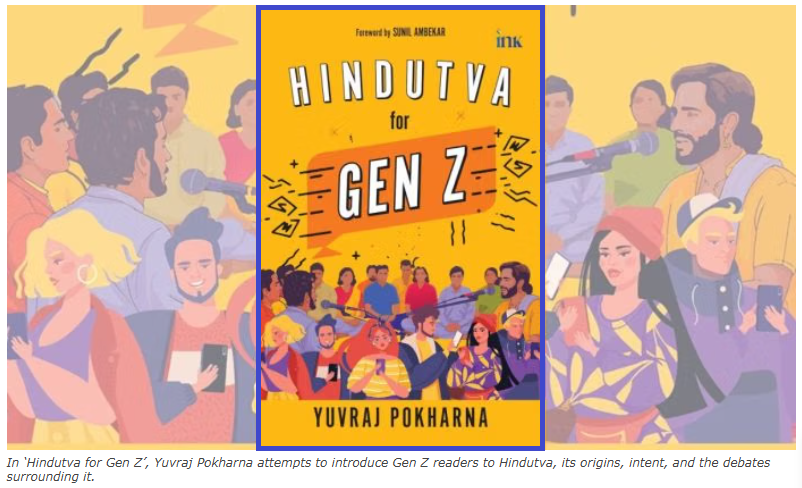
‘Hindutva for Gen Z’ attempts to introduce Hindutva, its origins, intent, and the debates surrounding it.
Australia to UK—there’s a global campaign to cancel Hindu identity. It’s not mere Hinduphobia.
In ‘Hindutva for Gen Z’, Yuvraj Pokharna attempts to introduce Gen Z readers to Hindutva, its origins, intent, and the debates surrounding it.
 Yuvraj Pokhrana | The Print Online | New Delhi | June 3, 2026:: Yo, let’s talk straight. There was this ‘Dismantling Global Hindutva’ conference some time ago. It wasn’t some academic tea-spilling session-based conference—it was a straight-up hit job. A masterclass in twisting facts, cherry-picking narratives, and serving piping-hot ignorance to demonize a 5,000-year-old civilization. The objective wasn’t critique; it was a calculated move to paint Hindu Dharma as the villain in a low-budget propaganda flick. Warning: The plot is flawed, and the facts don’t support it. Buckle up as we unpack this mess with real-world cases, names, and a vibe that’s equal parts woke and wise, calling out Hindumisia for what it is—a global campaign to cancel Hindu identity.
Hindumisia vs Hinduphobia: Know the Difference, Fam
First, let’s clear the fog. Hinduphobia and Hindumisia aren’t the same, though the West loves lumping them together like they’re interchangeable slang. Hinduphobia is that low-key shade—stereotypes, lazy tropes, and misrepresentations that make Hindu Dharma look like some backward, cow-worshipping relic. Think of media calling Diwali ‘noisy’ or yoga ‘exotic’ while ignoring their spiritual depth. It’s annoying, sure, but it’s mostly agenda dressed up as critique.
Hindumisia? That’s the real venom. It’s not just cussing and dissing the religion; it’s targeting Hindus as a people with hate so raw it spills into apartheid, expletives, and violence. We’re talking hate crimes, vandalism, and systemic erasure of Hindu identity. Hindumisia doesn’t just stereotype; it dehumanizes, painting Hindus as some fascist, oppressive blob that needs to be ‘dismantled’. The difference? Hinduphobia’s a vibe check that fails; Hindumisia’s a full-on frontal assault. And trust me, this hypothesis is not just a theory—it is now a lived reality, and we have instances happening on a global scale to support it.
The Colonial Roots: Where the Hate Began
Hindumisia didn’t pop up overnight. It’s got roots deeper than a banyan tree, stretching back to the colonial era when European powers rolled into Bharat with their Bibles and inflated superiority complexes. To justify the exploitation and the loot of the subcontinent, they needed to make the Hindu Dharma look like the reprehensible guy. Cue the OG fake news: British scholars and missionaries branded Hinduism as ‘crude’ and ‘superstitious’. They zoomed in on issues like caste or sati, blowing them out of proportion while ghosting the wisdom of the Vedas, the philosophy of the Upanishads, or the ethical flex of the Mahabharata.
Take Max Müller, the German Indologist who’s still a big name in Western academia. Dude loved Sanskrit but framed Hinduism through a Christian lens, calling it a ‘chaotic’ religion that needed Western ‘order’. Monier Monier-Williams, known for his extensive Sanskrit dictionary, subtly advanced the notion that Hinduism was inferior to monotheism in his writings. These people weren’t just smart scholars; they were Westerners who concocted a story that made Bharat’s culture seem inferior to justify colonial rule. In 2025, that colonial shade still persists in how the West talks about Hindu Dharma.
The Failed Show of Dismantling Global Hindutva
The ‘Dismantling Global Hindutva’ conference of 2021 was a virtual circus that more than forty North American universities, including Harvard and Rutgers, supported. Billed as an academic takedown of ‘Hindutva’, it was less about scholarship and more about slandering Hindu Dharma. The speakers—many with zero lived experience of Hindu culture—threw around terms like ‘fascist’, ‘supremacist’, and ‘oppressive’ like they were handing out flyers. They equated Hindutva with Nazism, ignoring its actual meaning: a philosophy of inclusivity, not a political hit list.
Yuvraj Pokharna | The Print Online | New Delhi | June 3, 2026:: Yo, let’s talk straight. There was this ‘Dismantling Global Hindutva’ conference some time ago. It wasn’t some academic tea-spilling session-based conference—it was a straight-up hit job. A masterclass in twisting facts, cherry-picking narratives, and serving piping-hot ignorance to demonize a 5,000-year-old civilization. The objective wasn’t critique; it was a calculated move to paint Hindu Dharma as the villain in a low-budget propaganda flick. Warning: The plot is flawed, and the facts don’t support it. Buckle up as we unpack this mess with real-world cases, names, and a vibe that’s equal parts woke and wise, calling out Hindumisia for what it is—a global campaign to cancel Hindu identity.
The conference wasn’t just sloppy; it was malicious. Organizers like Audrey Truschke, a self-professed Aurangzeb fan and a Rutgers professor known for her unpalatable takes on Hindu texts, pushed a narrative that flattened Hindu society into a caricature of violence and casteism. No mention of ‘Vasudhaiva Kutumbakam’ (‘the world is one household’) or the Rig Veda’s ‘Ekam sat vipra bahudha vadanti’ (‘truth is one, sages call it by many names’). Instead, they served a buffet of half-truths, like claiming Hindutva fuels all of India’s social woes while sidestepping Hindu Dharma’s history of pluralism and non-violence. It was the pinnacle of Hindumisia—disguised as scholarship but slobbering with contempt.
Real-World Receipts: Hindumisia in Real Life
This isn’t just an academic beef; Hindumisia hits hard IRL. Let’s talk names and cases that expose the hate for what it is.
- Rashmi Samant, Oxford’s Fallen Star (2021): Rashmi, a 22-year-old sharp girl from Karnataka, made history by becoming the first Indian woman to be president of the Oxford University Students’ Union. But five days after she was elected, she was forced to resign. Why? Critics called old tweets ‘racist’ and ‘insensitive’, but they didn’t bother to look at the context. Rashmi said it out loud: Hindumisia was the real cause. People used her Hindu identity against her, and online mobs and Oxford societies piled on until she quit. Of course, the university denied it, but the pattern is clear: being proud of being Hindu gets you cancelled.
- Shubh Patel, Australia’s Soccer Snub (2022): Because he wouldn’t take off his Tulsi Mala, a sacred Hindu necklace, Shubh, a 12-year-old Hindu boy in Melbourne, was kicked out of a soccer game. It wasn’t a problem that he had worn it before. But this time, the referee wouldn’t let it happen because of ‘safety’ rules that seemed more like bias. Rajesh Patel, Shubh’s dad, told News18, ‘It felt like they were punishing my son for being Hindu.’ The incident isn’t the only time this has happened; it’s part of a pattern in Australia where Hindu symbols are becoming more and more common.
- Mississauga Park Attack, Canada (2023): A 44-year-old Hindu man named Anil Kumar was doing a puja with his wife and two kids in Streetsville Park when two teens started throwing rocks and yelling anti-Hindu slurs. Anil was hurt, and the family had to run away. Peel Regional Police said the attack was a hate crime, according to CBC reports. But what was the attackers’ reason? Pure Hindumisia, based on stereotypes about people who worship idols. Canada’s Hindu diaspora, which is more than 8,00,000 strong, has to deal with this vibe check way too often.
- Pratima Roy, NASA’s Targeted Intern (2024): Pratima, a 21-year-old NASA intern from Kolkata, posted a pic of her desk with a Ganesha idol and a small puja setup. The X backlash was instant—trolls called her ‘superstitious’ and ‘unfit for science’. One viral post racked up 10K likes, sneering, ‘NASA’s hiring cow worshippers now?’ Pratima clapped back, saying, ‘My faith doesn’t clash with my work.’ But the hate kept coming, proving Hindumisia’s alive and well in the digital age.
- Leicester Riots, UK (2022): Post an India–Pakistan cricket match, Leicester saw anti-Hindu violence flare up. Hindu homes and businesses were vandalized, with reports of mobs chanting anti-Hindu slurs. The Hindu American Foundation noted fifteen arrests, but the UK media framed it as ‘clashes between communities’, downplaying the targeted Hindumisia. Local Hindu leader Mihir Shah told the BBC, ‘Our temples were attacked, but the narrative blames us equally.’ These aren’t isolated Ls. From Australia to Canada to the UK, Hindumisia’s going global, and it’s not just random—it’s systemic, fuelled by a mix of colonial baggage and modern misinformation.
Hindutva: The Most Misunderstood Vibe
So, what’s Hindutva, and why does it trigger so many? The West slaps labels like ‘Hindu nationalism’ or ‘Hindu supremacy’ on it, but that’s like calling chai a latte—close, but no cigar. Hindutva, derived from the words ‘Hindu’ and ‘tattva’ (essence), is neither a religion nor a political manifesto. It’s a way of life, rooted in Bharat’s ancient philosophy of inclusivity, tolerance, and spiritual flex. Unlike ‘isms’ that box you in with dogmas, Hindutva is about freedom—question the Vedas, reject a guru, or vibe with Jainism, and you’re still Hindu. No gatekeeping here.
J. Nandakumar, RSS thinker and author, nails it: ‘Hindutva’s only dogma is that it doesn’t permit dogmas.’ It’s why Hindus have coexisted with Jains, Buddhists, and Sikhs for centuries— no beef (pun intended). Compare that to the Abrahamic lens the West uses, where religion’s a rulebook from god. Hindutva? It’s more like a playlist—diverse tracks, same vibe. The Rig Veda’s ‘Ekam sat vipra bahudha vadanti’ (truth is one, call it what you want) or the Maha Upanishad’s ‘vasudhaiva kutumbakam’ (world’s one fam) aren’t just quotes—they’re the OG flex of Hindu pluralism.
But the West’s got no vocab for this. They call Hinduism a ‘religion’ like it’s Christianity’s cousin, missing the point that it’s dharma—a cosmic framework for life, not a rulebook. Water’s dharma is to flow; a soldier’s is to protect. Attempt to incorporate that into a Western dictionary. Spoiler: you can’t.
The Colonial Hangover in Academia and Media
The ‘Dismantling Global Hindutva’ conference is just the latest episode in a long-running series of academic Hindumisia. Scholars like Audrey Truschke or Wendy Doniger often lean on colonial frameworks, building careers with their egregious takes on Hindu texts and portraying Hinduism as a chaotic mess of caste and cow fetishism. Their work gets amplified in Ivy League halls and journals like Journal of Asian Studies, while Hindu scholars like Rajiv Malhotra or Koenraad Elst are sidelined as ‘fringe’. It reflects a form of academic gatekeeping.
The media’s no better. Media outlets such as New York Times and Guardian often portray Hindu nationalism in a monolithic manner, disregarding the diversity of Hindu thought. When they cover India’s BJP or RSS, they portray ‘Hindu extremism’ without any nuance, portraying 1 billion Hindus as a monolithic group. Such coverage fuels real-world hate—like the 2023 vandalism of a Hindu temple in Cary, North Carolina, where swastikas (not the Hindu svastika, mind you) were spray-painted on a Ganesha statue. The local Hindu community, per a WRAL News report, was left shaken, with temple president Anil Bedi saying, ‘This isn’t just vandalism; it’s an attack on our identity.’
Fighting Back: A Call to Slay the Hate
Hindumisia’s not just a vibe—it’s a virus, and we need an antidote ASAP. Here’s the game plan:
- Educate, Don’t Hate: Hindus have to own the narrative. Host workshops, drop X threads, and make reels that break down dharma’s depth—its philosophy, art, and science. Schools like Chinmaya Mission are already doing this, teaching kids about the Upanishads’ wisdom. Scale it up; make it viral.
- Link Up with Allies: This battle isn’t just a Hindu fight. Team up with other faith groups—Sikhs, Jains, even progressive Christians—who vibe with pluralism. Interfaith dialogues, like those hosted by the Hindu American Foundation, can build bridges and dunk on prejudice.
- Call Out the BS: When you see Hindumisia—whether it’s a shady conference or a biased BBC article—clap back. Write op-eds, flood X with facts, and hold academics and journalists accountable. Hashtags like #HindumisiaExposed can trend if we move as a squad.
- Amplify Hindu Voices: Scholars like Ankur Barua or activists like Suhag Shukla deserve more mic time. Platforms like Swarajya or OpIndia are already pushing back against Hindumisia—support them, share them, and make them go viral.
- Legal Flex: Hate crimes like the Mississauga attack or Leicester riots need justice. Push for stronger hate crime laws, like Canada’s Bill C-63 (2024), which targets online hate but needs teeth to protect Hindus specifically. Swami Vivekananda dropped the ultimate bar: ‘Arise, awake, and stop not until the goal is reached.’ That’s the energy we need. Hindumisia thrives because we’ve not been unnerved. We have rather been calm and unruffled, letting colonial narratives and academic clowns define us. No more. It’s time to flex Bharat’s truth—dharma’s not just a religion; it’s a blueprint for a better world.
The Bigger Picture: Why This Matters
Hindumisia isn’t just about Hindus; it’s about what happens when ignorance and tribalism win. If we let this hate slide, it sets a precedent for any community to be targeted—Sikhs, Jews, Muslims, Jains, you name it. Hindu Dharma’s been about coexistence since forever, from sheltering Parsis in the 8th century to inspiring Gandhi’s non-violence. Letting Hindumisia fester betrays that legacy and hands bigots a win.
The ‘Dismantling Global Hindutva’ conference served as a crucial awakening. It showed how far some will go to erase a civilization’s truth. But it also sparked a fire under internet-savvy Hindus, from X warriors to Gen Z creators, who are out here dropping truth bombs. A report by the Hindu American Foundation in 2023 noted a 30 per cent spike in anti-Hindu hate crimes in the US alone—proof the fight’s real, but so is our resolve. Hindumisia’s got no place in 2025. We are not only fighting for Hindu Dharma but also for a world where truth, tolerance, and respect are paramount. Let’s make it happen, fam.
…
This excerpt from ‘Hindutva for Gen Z’ by Yuvraj Pokharna has been published with permission from BlueOne Ink. Reproduced from ‘The Print’ online edition dt. May 3, 2026. Views are Personal.
This excerpt from ‘Hindutva for Gen Z’ by Yuvraj Pokharna has been published with permission from BlueOne Ink. Reproduced from ‘The Print’ online edition dt. May 3, 2026. Views are Personal.
Share this:
- Share on Facebook (Opens in new window) Facebook
- Share on X (Opens in new window) X
- Share on LinkedIn (Opens in new window) LinkedIn
- Share on Reddit (Opens in new window) Reddit
- Email a link to a friend (Opens in new window) Email
- Share on WhatsApp (Opens in new window) WhatsApp
- Share on Telegram (Opens in new window) Telegram
- Print (Opens in new window) Print
2 comments on “‘Hindutva for Gen Z’ attempts to introduce Hindutva, its origins, intent, and the debates surrounding it.”
Leave a comment Cancel reply
This site uses Akismet to reduce spam. Learn how your comment data is processed.
Information
This entry was posted on June 3, 2026 by hinduexistence in Hindutva, Hindutva Books, Hindutva strategy of RSS and tagged Hindutva, Hindutva for Gen Z, RSS, Yuvraj Pokhrana.Shortlink
https://wp.me/pCXJT-uHpSearch

Donation For Hindu Existence Forum
Donation for supporting Hindu Existence Forum's research works on Hindutva Strategies, Cultural and Traditional proliferation and Global Peace.
$10.00
Blog Stats
- 9,468,497 hits
[…] 21 September 2026 demand by Hindu Sena calls for the immediate revocation of Hamid Ansari’s Padma Shri and frames…
[…] 21 September 2026, Ansari’s remarks quoting Nehru on Hindu right-wing communalism became the s…. The secure factual core is…
[…] 20 September 2026, a Hindu lawmaker in Pakistan urged fellow lawmakers to stop anti-Hindu hate and warned that oppositi….…
[…] 19 September 2026, a Delhi court was reported to have ordered an FIR against Karishma Aziz over alleged derogatory…
- September 2026
- August 2026
- July 2026
- June 2026
- May 2026
- April 2026
- March 2026
- February 2026
- January 2026
- December 2025
- November 2025
- October 2025
- September 2025
- August 2025
- July 2025
- June 2025
- May 2025
- April 2025
- March 2025
- February 2025
- January 2025
- December 2024
- November 2024
- October 2024
- September 2024
- August 2024
- July 2024
- June 2024
- May 2024
- April 2024
- March 2024
- February 2024
- January 2024
- December 2023
- November 2023
- October 2023
- September 2023
- August 2023
- July 2023
- June 2023
- May 2023
- April 2023
- March 2023
- February 2023
- January 2023
- December 2022
- November 2022
- October 2022
- September 2022
- August 2022
- July 2022
- June 2022
- May 2022
- April 2022
- March 2022
- February 2022
- January 2022
- December 2021
- November 2021
- October 2021
- September 2021
- August 2021
- July 2021
- June 2021
- May 2021
- April 2021
- March 2021
- February 2021
- November 2020
- October 2020
- September 2020
- August 2020
- July 2020
- June 2020
- May 2020
- April 2020
- March 2020
- February 2020
- January 2020
- December 2019
- November 2019
- October 2019
- September 2019
- August 2019
- July 2019
- June 2019
- May 2019
- April 2019
- March 2019
- February 2019
- January 2019
- December 2018
- November 2018
- October 2018
- September 2018
- August 2018
- July 2018
- June 2018
- May 2018
- April 2018
- March 2018
- February 2018
- January 2018
- December 2017
- November 2017
- October 2017
- September 2017
- August 2017
- July 2017
- June 2017
- May 2017
- April 2017
- March 2017
- February 2017
- January 2017
- December 2016
- November 2016
- October 2016
- September 2016
- August 2016
- July 2016
- June 2016
- May 2016
- April 2016
- March 2016
- February 2016
- January 2016
- December 2015
- November 2015
- October 2015
- September 2015
- August 2015
- July 2015
- June 2015
- May 2015
- April 2015
- March 2015
- February 2015
- January 2015
- December 2014
- November 2014
- October 2014
- September 2014
- August 2014
- July 2014
- June 2014
- May 2014
- April 2014
- March 2014
- February 2014
- January 2014
- December 2013
- November 2013
- October 2013
- September 2013
- August 2013
- July 2013
- June 2013
- May 2013
- April 2013
- March 2013
- February 2013
- January 2013
- December 2012
- November 2012
- October 2012
- September 2012
- August 2012
- July 2012
- June 2012
- May 2012
- April 2012
- March 2012
- February 2012
- January 2012
- December 2011
- November 2011
- October 2011
- September 2011
- August 2011
- July 2011
- June 2011
- May 2011
- April 2011
- March 2011
- February 2011
- January 2011
- December 2010
- November 2010
- October 2010
- September 2010
- August 2010
- July 2010
- June 2010
- May 2010
- April 2010
- March 2010
- February 2010
- January 2010
- December 2009
- November 2009
- October 2009
- September 2009
- Madras HC: Prove Hindu Return for Scheduled Caste Status.
- Hindu OBC Front Seeks Rani Rashmoni Dham in Bengal, Calls for OBC Quota Limited to Hindus.
- Hindutva Is Steadily Advancing in Nepal with the Aim of Restoring a Hindu Rastra.
- Revoke Hamid Ansari’s Padma Shri: Hindu Sena.
- Ex Indian VP Ansari’s Nehru Remarks Targetting Hindu Right WingsTrigger Political Row.
"Hindu" Adv Vishnu Shankar Jain Ayodhya Bajrang Dal Bajrang Dal (BD) Bangladesh Bharatiya Janata Party (BJP) BJP Calcutta High Court CONGRESS Dr. Subramanian Swamy Dr Pravin Togadia Hinduism HINDU JANAJAGRUTI SAMITI Hindu Janajagruti Samiti (HJS) Hindu Persecution in Bangladesh Hindu Persecution in Pakistan Hindu Rashtra Hindutva history INDIA ISKCON Islam Love Jihad Mamata Banerjee Mohan Bhagwat Narendra Modi news Pakistan politics Rashtriya Swayamsevak Sangh (RSS) religion RSS Shiv Sena spirituality Supreme Court of India temples travel Upananda Brahmachari VHP Vishva Hindu Parishad (VHP) Vishwa Hindu Parishad Vishwa Hindu Parishad (VHP) WEST BENGAL YOGI ADITYANATH
- Acid Jihad
- Adhan – Azaan Menace from Mosques
- Akhand Bharat (Undivided India)
- Alternative Hindutva
- Ancient Hindu Connection worldwide
- Animal Cruelty in India
- Anti Buddhist
- Anti Children
- ANTI JIHAD
- Anti Minority Upsuge in Islamic Bangladesh
- Anti National
- Anti Sikh
- Anti Women
- Anti-Hindu
- Anti-Hindu Indian Judiciary
- Anti-Hindu Media
- Anti-Hindu Propaganda
- Anti-Hindu Social Media
- Anti-Hindu Twitter
- Anti-Indian
- Anti-Israel
- Assam NRC
- Assam under Islamic Aggression
- Attack on Cow Resources
- Attack on Cow Savers
- Attack on cow vigilante
- Attack on Hindu Festival
- Attack on Hindu girls by Muslim
- Attack on Hindu Procession
- Attack on Hindu Religious Rights
- Attack on Hindu Reservation Rights
- Attack on Hindu Sentiments
- Attack on Hindu Temples
- Attack on Hindu Women by Muslim
- Attack on Hindus by BJP
- Attack on Hindus by RSS
- Attack on Hindus in India
- Attack on Hindutva
- Attack on Hindutva activist
- Attack on India
- Attack on National Sentiment
- Attack upom Hindu Temple by Christians
- Attack upom Hindu Temple by muslim
- Attack upon Buddhist
- Attack upon Christians by Radical Muslims
- Attack upon Cow Vigilantes
- Attack upon Hindu Deities
- Attack upon Hindu Festival
- Attack upon Hindu Girls
- Attack upon Hindu Pilgrimage
- Attack upon Hindu Religious Rights
- Attack upon Hindu Saint
- Attack upon Hindu Sentiment
- Attack upon Hindu Tamils by Buddhists
- Attack upon Hindu Tamils by Christians
- Attack upon Hindu Temple
- Attack upon Hindu Temple by Muslims
- Attack upon Hindu Temples by Christians
- Attack upon Hindu Temples by Khalistanis
- Attack upon Hindu Values
- Attack upon Hindu Women
- Attack upon Hindu-Buddhists by Muslims
- Attack upon Hindus
- Attack upon Hindus & Hindu Temples
- Attack upon Hindus – Buddhists in India
- Attack upon Hindus by Arya Samaj
- Attack upon Hindus by BJP
- Attack upon Hindus by Christians
- Attack upon Hindus by Congress
- Attack Upon Hindus by Left-Liberals
- Attack upon Hindus by Maoists
- Attack upon Hindus by Marxists
- Attack upon Hindus by Muslims
- Attack upon Hindus by Secular
- Attack upon Hindus by TMC
- Attack upon Hindus in Bangladesh
- Attack upon Hindus in Pakistan
- Attack upon Hindus-Sikhs
- Attack upon Hindus-Sikhs by Muslims
- Attack upon Hindus-Sikhs in Pakistan
- Attack Upon Hindutva
- Attack upon Indian Sentiment
- Attack upon Minorities in Pakistan
- Attack upon Muslim women by Radical Muslims
- Attack upon Muslims by Angry Christians
- Attack upon Muslims by Radical Christians
- Attack upon Sikhs by Muslims
- Attack upon Tamil Hindus in Sri Lanka
- Attemp to distort Hindu History of Bharat
- Ayodhya matter in Supreme Court
- Ayodhya Ram Janmabhoomi Temple Movement
- Ayodhya Ram temple construction
- Back to Hindu Dharma
- ban Christian Conversion in India
- ban Christian Conversion in Nepal
- Ban Cow Slaughter
- Ban Cow Slaughter in Bharat
- Ban Cow Slaughter in West Bengal
- Ban Halal Economics in India
- Ban illegal use of Mosque loudspeakers for azaan
- Ban Made in China
- Ban Mosque Mikes
- Ban Nikah Halala
- Ban on Hijab-Burqa Jihad
- Ban on Hindu Rituals and Festivals
- Ban Sharia Courts in India
- Ban Slaughter in Open Place
- Ban Street Namaj
- Ban Sunny Leone in India
- Ban Triple Talaq
- Ban Zakir Naik in India
- Bangladeshi Hindu Refugees in India
- Bangladeshi Hindus
- beef ban
- Beef Eating Jihad
- Beef Jihad
- Bengali Hindu Genocide
- Bharat (India) under Attack
- BJP for Hindutva
- BJP menace
- BJP Menace on Hindu Matters
- BJP Vs Shiv Sena
- BJP's Hindutva Strategy
- Book Review
- Books on Hindus
- Boycott Chinese Goods
- Boycott Halal
- boycott-muslims
- Braking India by Pakistan
- Braking Indian National System
- Breaking India
- Breaking India by China
- Breaking India by Christian
- Breaking India by Communists
- Breaking India by Congress
- Breaking India by Maoists
- Breaking India by Pakistan
- Breaking India by Radical Islam
- Breaking Indian National System by Muslims
- Breaking Nepal by Christians
- Breaking Nepal by Communists
- Buddhists and Indigenous people attacked in Islamic Bangladesh
- Buddhists are under Islamic attack
- Buddhists under attack of Communists
- Burkha-Hijab Ban
- Burqa Ban India
- Burqa Jihad
- Business Jihad
- Caste based communal Politics
- Chanukah
- Chatholic Menace
- Check Global Jihad
- Check Muslim Population in Jammu
- Chinese Aggression in Nepal
- Chinese Invasion in India
- Chopping Jihad
- Christian aggression in Andhra Pradesh
- Christian Aggression in Assam
- Christian Aggression in Chattishgarh
- Christian Aggression in Haryana
- Christian Aggression in India
- Christian Aggression in Jharkhand
- Christian Aggression in Karnataka
- Christian Aggression in Kerala
- Christian Aggression in Kumbh Mela
- Christian Aggression in Maharashtra
- Christian Aggression in Manipur
- Christian Aggression in Nepal
- Christian Aggression in North East India
- Christian Aggression in Punjab
- Christian Aggression in Sri Lanka
- Christian Aggression in Tamil Nadu
- Christian aggression in Uttar Pradesh
- Christian aggression in Uttarakhand
- Christian Aggression in West Bengal
- Christian Agression in Tamil nadu
- Christian Child Trafficking Racket
- Christian Conspiracy
- Christian Conspiracy against Hindus
- Christian Conspiracy against Sikh
- Christian Conspiracy in India
- Christian Conversion Conspiracy
- Christian Conversion Conspiracy against Hindus
- Christian Menace against Hindus
- Christian Menace in North East
- Christians against Waqf and Land Jihad
- Christians Under Attack in India by Muslims
- Church Sex Crimes
- Church Sex-Exploitation-Torture-Trafficking Rackets
- Circumcision Jihad
- citizenship-amendment-act
- Coming Back to Hindu Dharma
- Communal Harmony
- Communal Politics of Congress
- Communal Politics of TMC
- Communal Riots instigated by Muslims
- Communal Situation Created by Muslims
- Communist Menace
- Communist Terrorism
- Communist Terrorism in Kerala
- Congress & UPA against Hindus
- Congress & UPA against Sikhs
- Congress against Hindu Leaders
- Congress against Sikh Siyasat
- Congress Menace
- Conspiracy against Buddhists
- Conspiracy against girls and women
- Conspiracy against Hindus
- Conspiracy against Hindus and Sikhs in Afghanistan
- Conspiracy against Hindus and Sikhs in Pakistan
- Conspiracy against Hindus in Bangladesh
- Conspiracy against Hindustan
- Conspiracy against India
- Conspiracy against River Ganga
- Conspiracy against Sikh
- Constitutional Deprivation on Hindus
- Conversion Jihad
- Corona Jihad
- Corporate Jihad
- Corrupt Congress against Indian Nationalism
- Cow Protection
- CPM attack on Hindus in Kerala
- Cricket Jihad
- Cross Border Cow Smuggling Rackets
- cross-border terrorism
- Cultural Assimilation
- Cultural Jihad against India
- Cultural Jihad in India
- Cyber Jihad
- Dalit-Hindu Unity
- Dalit-Muslim Clash
- Demand for CAB
- Demand for Clean Ganga
- Demand for Cow Protection
- Demand for Gyanvapi Kashi Vishwanath Temple
- Demand for Hindu Agenda
- Demand For Hindu Rashtra
- Demand for Hindu Rashtra and Hindu Kingdom in Nepal
- Demand for Hindu Rashtra in India
- Demand for Mathura Krishna Janmasthan Temple
- Demand for Ram Temple at Ayodhya
- Demand of Common Civil Code by Indian Muslims
- Demand of Common Civil Code for Indian Muslim
- Demand of Common Civil Code in India
- Demand of Uniform Civil Code
- Demand to Free Hindu Temples
- Demographic Change in India
- Detrimental Dalit Politics in India
- Dharma Jagaran- Shraddha Jagaran
- Discrimination on Hindus
- Diwali
- Don't attack on Hindu Sentiment
- Drug Jihad
- Economic Jihad
- Emigration Jihad
- Equal Rights for Hindus
- EX-MUSLIM MOVEMENT IN INDIA
- Facebook Jihad
- Fatal Love Jihad
- Fatwa Jihad
- Flase Hindutva of RSS
- Forced Conversion
- Fractured Parivar
- Free Bhojshala Temple
- free hindu land from Islamic encroachment
- Free Hindu Temple lands
- Free Hindu Temple sites from Wakf Encroachments
- free Hindu Temples from Govt control
- Free Hindu Temples from Govt Encroachment
- Free Tibet from China
- Gaming Jihad
- Gau – Ganga – Gayatri under attack
- Genocide and Displacement of Kashmiri Hindus
- Genocide of Hindu Tamil
- Genocide of Kashmiri Hindus
- Genocide of Sikh by Congress
- Ghar Wapsi (re-conversion)
- Gita as National Book
- Gita Jayanti
- Global Hindu News
- Global Hindus
- Global Jihad
- Goraksha
- Gym Jihad
- Halal Economics
- Halal Jihad
- Hate Jihad
- Hindu – Buddhists – Christians – Sikhs – All are against Ground Zero Mosque
- Hindu – Buddhists attacked in Bangladesh
- Hindu -Sikh Persecution in Afghanistan
- Hindu -Sikh Persecution in Pakistan
- Hindu Advocacy
- Hindu Agenda
- Hindu Agriculture
- Hindu Americans
- Hindu and Jews Unity
- Hindu Appeal
- Hindu Art and Culture
- Hindu Awareness
- Hindu Books
- Hindu Buddhist Unity
- Hindu Campaign
- Hindu Celebrations
- Hindu Celebrations under Attack
- Hindu Charity
- Hindu Civilization
- Hindu Conference
- Hindu congregation
- Hindu Constitution
- Hindu Contribution
- Hindu Conversion
- Hindu Coordination
- Hindu Culture and Tradition
- Hindu Defence
- Hindu Degeneration
- Hindu deities
- Hindu Demand
- Hindu Demand for Adhai Don ka Jhonpra
- Hindu Demand for Ajmer Sharif
- Hindu Demand for Ayodhya Ram Temple
- Hindu Demand for Ayodhya-Kashi-Mathura
- Hindu demand for Bhojshala
- Hindu Demand for Datta Peetha
- Hindu Demand for Dhar Bhojshala
- Hindu Demand for Gyanvapi
- Hindu Demand for Kashi and Mathura
- Hindu Demand for Ram Setu as national Heritage Monument
- Hindu Demand for Rani Rashmoni Dham in WB
- Hindu Demand for Sambhal Shahi Mosque
- Hindu Demand For Sanatan Board
- Hindu Demand for Taj Mahal
- Hindu Demand to Ban Cow Slaughter
- Hindu Demand to Remove Aurangzeb's Tomb
- Hindu Demand to save Ganga
- Hindu Demand To Save Sabarimala
- Hindu Demand To Save Sharda Peeth in POK
- Hindu Demand to Stop Conversion
- Hindu Demand to Stop Cow Smuggling
- Hindu Democracy
- Hindu Demography
- Hindu Development
- Hindu Dharma
- Hindu diaspora
- Hindu Discord
- Hindu Discourse
- Hindu Donation
- Hindu Economics
- Hindu Education
- Hindu Empowerment
- Hindu Empowerment in USA
- Hindu Equality
- Hindu Exhibition
- Hindu Existence
- Hindu Exodus
- Hindu Fair
- Hindu Faith
- Hindu Festivals
- Hindu Festivals-Processions attacked
- Hindu Freedom Movement
- Hindu Genocide in East Pakistan (now Bangladesh)
- Hindu genocide in Kashmir
- Hindu Genocide in Malabar
- Hindu Genocide in Sri Lanka
- Hindu Girls and Women exploited by Muslims
- hindu girls and women targeted by Muslims
- Hindu Girls targeted by Love Jihad
- Hindu Girls under attack
- Hindu Girls victimized by Islamists
- Hindu Guru
- Hindu Helpline
- Hindu Heritage
- Hindu Heritage Site
- Hindu History
- Hindu History under Attack
- Hindu Honour
- Hindu Idol smuggling racket
- Hindu Inspiration
- Hindu interest
- Hindu is Nationalism in Hindustan
- Hindu Jewish Unity
- Hindu Knowledge
- Hindu Law
- Hindu Leadership
- Hindu Leadership Under Attack
- Hindu Legal Contest
- Hindu Literature
- Hindu Management
- Hindu Marriage
- Hindu Martial Art
- Hindu Mathematics and Sciences
- HINDU MEDIA
- Hindu Migration in India
- Hindu Minorities in Bangladesh
- Hindu Minorities in India
- Hindu Minorities in J&K
- Hindu Minorities in Pakistan
- Hindu Movements
- Hindu Murder
- Hindu Muslim Riot
- Hindu Nation-State
- Hindu Nationalism
- HINDU NEWS
- Hindu News and Views
- Hindu News Feed
- Hindu Organisation
- Hindu Persecution
- Hindu Persecution in Assam
- Hindu Persecution in India
- Hindu Persecution in Islamic Bangladesh
- Hindu Persecution in Kashmir
- Hindu Persecution in Kerala
- Hindu Persecution in Myanmar
- Hindu Persecution in Pakistan
- Hindu Persecution in Rajasthan
- Hindu Persecution in Russia
- Hindu Persecution in Sri Lanka
- Hindu Persecution in US
- Hindu Persecution in West Bengal
- Hindu Pilgrimage
- Hindu Politics
- Hindu Population
- Hindu Pride
- Hindu Priests
- Hindu Projects
- Hindu Proliferation
- Hindu Promises
- Hindu Protection
- Hindu Protest
- Hindu Proud
- Hindu Puja
- Hindu Rally
- Hindu Rashtra
- Hindu Reality
- Hindu Rehabilitation in J&K
- Hindu Religious Issues
- Hindu Research
- Hindu Resistance
- Hindu Retaliation
- Hindu Rights
- Hindu Rituals
- Hindu Roots
- Hindu Roots in Bangladesh
- Hindu Roots in China
- Hindu Roots in Greece
- Hindu roots in Indonesia
- Hindu Roots in Japan
- Hindu Roots in Kashmir
- Hindu roots in Pakistan
- Hindu Roots in Sindh
- Hindu Roots in Singapore
- Hindu Roots in Sri Lanka
- Hindu Roots World-wide
- Hindu Saint
- Hindu Saints
- Hindu Science
- Hindu Scriptures and Hindu Research
- Hindu Self Defense
- Hindu Services
- Hindu Sikh Oneness
- Hindu Sikh Unity
- Hindu Social Harmony
- Hindu Social Media
- Hindu Solidarity
- Hindu Solution
- Hindu Spirituality
- Hindu Sriptures and Hindu Research
- Hindu State
- Hindu Struggle
- Hindu Struggle for Kashmir
- Hindu Struggle for Nepal
- Hindu Success
- Hindu Temples
- Hindu Temples under Attack
- Hindu Tolerance
- Hindu Tours
- Hindu Tradition
- Hindu Tradition and Culture under attack
- Hindu Training
- Hindu Unity
- Hindu Victory
- Hindu Vigil
- Hindu Vote Bank
- Hindu Wave World wide
- Hindu way of Life
- Hindu Wisdom
- Hindu Wishes
- Hindu Women
- Hindu Women Empowerment
- Hindu Women in Trap
- Hindu World
- Hindu World
- Hindu Yoga and Meditation
- Hindu- Buddhist-Sikh-Jain Unity in US
- Hindu-Hindutva Debate
- Hindu-Jew Unity/ India-Israel Unity
- HINDU-JEW-CHRISTIAN UNITY AGAINST RADICAL ISLAM
- Hindu-Jewish Festival of Lights
- Hindu-Muslim Clash
- Hindu-Muslim Unity
- Hindu-Sikh Festival and Celebrations
- Hindu-Sikh in Pakistan
- Hindu-Sikh Protest
- Hindu-Sikh Unity
- Hindus against Caste System
- Hindus against Casteism and Untouchability
- Hindus against Conversion
- Hindus against Corporate Jihad
- Hindus against Cow Slaughter
- Hindus against Halal
- Hindus against Hate Speech
- Hindus Against Islamic State
- Hindus against Jihad
- Hindus against Land Jihad
- Hindus against Love Jihad
- Hindus against Pakistan
- Hindus Against Palestine
- Hindus against Temple Land Encroachment
- Hindus against Terrorism
- Hindus against Valentine's Day
- Hindus against Violence
- Hindus against Waqf Jihad
- Hindus and Hindu shrines in J&K
- Hindus and Media
- Hindus and Sikhs are under attack in USA
- Hindus are attacked under Indian Polity and Judiciary
- Hindus attacked by Media
- Hindus attacked in Bangladesh
- Hindus attacked in Bihar
- Hindus for Women Rights
- HINDUS IN PAKISTAN
- Hindus in Sri Lanka
- Hindus under Attack
- Hindus under Christian Aggression
- Hindus under Islamic Aggression
- Hindusthan under Islamic Attack
- Hindutva
- Hindutva Books
- Hindutva Film and Documentary
- Hindutva Governance
- Hindutva in Bengal
- Hindutva is Nationalism for All in Bharat
- Hindutva News
- Hindutva of Congress
- Hindutva Politics
- Hindutva Politics in West Bengal
- Hindutva Politics of BJP
- Hindutva Politics of Tamil Nadu
- Hindutva Politics of TMC
- Hindutva Research
- Hindutva strategy of RSS
- Honor Killing
- Humanity under attack by Islam
- In the Defence of Hindutva
- India (Bharat) against Corrpution
- India Against Pakistani Terrorism
- India as World Power
- India News
- India under Attack
- India under Islamic Aggression
- India-Pakistan Relationship
- India-Pakistan Tension
- Indian Army
- Indian Census and Population Status of Hindus
- Indian Congress against Hindus
- Indian Constitution
- Indian Empowerment
- Indian History and Research
- Indian Judiciary
- Indian Nationalism
- Indian People
- Indian Scriptures and Science
- Indian Sentiment
- Indian Tradition and Culture
- Indians against Jihad
- Indo-American Unity
- Indus-Saraswati civilisation
- Infiltration Jihad
- Insalmic Intolerance
- Insalmic Intolerance against Yoga
- Inter State Cow Smuggling Rackets
- Interfaith marriage
- Interfaith Movement
- International Conspiracy against Hindus
- International Conspiracy against India
- International Day of Yoga
- International Yoga Day
- Islamic aggreesion in Nepal
- Islamic Aggression in Assam
- Islamic aggression in Bangladesh
- Islamic Aggression in Bihar
- Islamic Aggression in BJP
- Islamic Aggression in Canada
- Islamic aggression in Chittagong Hill Track
- Islamic aggression in Cultural life
- Islamic Aggression in Defense and Police
- Islamic Aggression in Delhi
- Islamic aggression in Education
- Islamic aggression in Educational field
- Islamic aggression in Gujarat
- Islamic Aggression in Haryana
- Islamic Aggression in Hyderabad
- Islamic Aggression in India
- Islamic Aggression in Indian Politics
- Islamic Aggression in Japan
- Islamic Aggression in Jharkhand
- Islamic Aggression in Judiciary
- Islamic Aggression in Karnataka
- Islamic Aggression in Kashmir
- Islamic aggression in Kerala
- Islamic Aggression in Madhya Pradesh
- Islamic Aggression in Maharashtra
- Islamic Aggression in Malaysia
- Islamic Aggression in Myanmar
- Islamic Aggression in Nagpur
- Islamic Aggression in Nepal
- Islamic Aggression in North East India
- Islamic aggression in Odisha
- Islamic Aggression in Politics
- Islamic Aggression in Rajasthan
- Islamic Aggression in Social Life
- Islamic Aggression in Sri Lanka
- Islamic Aggression in Tamil Nadu
- Islamic Aggression in UK
- Islamic Aggression in UN
- Islamic Aggression in USA
- Islamic Aggression in Uttar Pradesh
- Islamic Aggression in Uttrakhand
- Islamic Aggression in West Bengal
- Islamic Aggression on Hindu Sites
- Islamic Aggression upon Hindus-Sikhs in Afghanistan
- Islamic Aggression upon Sikhs in Pakistan
- Islamic Aggression Worldwide
- Islamic atrocities upon Hindus in Kashmir
- Islamic Atrocities upon Sikhs in Pakistan
- Islamic attack on Hindu Temples
- Islamic attack on Non-Muslims
- Islamic Attacks on Hindus
- Islamic Conpiracy against India
- Islamic Conspiracy
- Islamic Conspiracy against Buddhists
- Islamic Conspiracy against Hindus
- Islamic Conspiracy Against Peace and Humanity
- Islamic Conspiracy against Sikhs
- Islamic Conspiracy Against Women
- Islamic Conversion
- Islamic Hate Speech against Hindus
- Islamic Intolerance
- Islamic Menace
- Islamic menace against Women
- Islamic Menace in Nepal
- Islamic Murder
- Islamic Nuisance
- Islamic Perversion
- Islamic Population
- Islamic Provocation through Mosque Mikes
- Islamic Reormation
- Islamic Terrorism
- Islamic Violence
- Islamic Violence in Schools
- Jihad against Yoga
- Jihad in Andhra Pradesh
- Jihad in Assam
- Jihad in Australia
- Jihad in Bangladesh
- Jihad in Bihar
- Jihad in Delhi
- Jihad in Education System
- Jihad in Gujarat
- Jihad in Haryana
- Jihad in Hindustan
- Jihad in India
- Jihad in Jammu and Kashmir
- Jihad in Jharkhand
- Jihad in Karnataka
- Jihad in Kerala
- Jihad in Maharashtra
- Jihad in Malaysia
- Jihad in Myanmar
- Jihad in Odisha
- Jihad in Pakistan
- Jihad in Punjab
- Jihad in Rajasthan
- Jihad in School Curriculum
- Jihad in Sri Lanka
- Jihad in Tamil Nadu
- Jihad in UK
- Jihad in USA
- Jihad in Uttar Pradesh
- Jihad in Uttarakhand
- Jihad in West Bengal
- Jihadi Aggression in Delhi
- Jihadi aggression in Haryana
- Jihadi aggression in Indian Judiciary
- Joint Action Against Radical Islam
- Kashmir Hindu
- Kashmir in Hindusthan
- Kashmir Pandits
- Khalistani Terrorism
- Kinnar Jihad
- Kumbh Mela
- Kumbha Mela
- Land Jihad
- Language Jihad
- LOVE JIHAD
- Maoist-Naxalite Menace
- Mazar Jihad
- Minority appeasement
- Minority Watch in Bangladesh
- Money Jihad
- Mosque-Madrasa Jihad
- Muslim Aggression
- Muslim aggression in Delhi
- Muslim aggression in Education
- Muslim Aggression in India
- Muslim Aggression in Maharashtra
- Muslim aggression in Nepal
- Muslim Aggression in Rajasthan
- Muslim Appeasement
- Muslim Appeasement by BJP
- Muslim Conspiracy Against Hindus
- Muslim Conspiracy against India
- Muslim Conspiracy upon Sikhs in Pakistan
- Muslim Demand for Ayodhya Ram Temple
- Muslim Demand on Hindu Temples
- Muslim Majority in India
- Muslim Vote Bank Politics
- Muslims for Ayodhya
- Muslims robs Hindu Temples
- Muslims supports Ayodhya Ramjanmabhoomi Temple
- Namami Gange – Nirmal Ganga
- National Issues
- National Register of Citizens (Assam)
- national unity and integrity
- Nationalist Politics of BJP
- Naxalite-Maoist Menace
- Need of Hindu Vote Bank
- Nepal under Communist Aggression
- New Age Hindutva
- New Hindu Age
- No Equal Rights to Hindus
- No humiliation on Hindu Deities
- No Minority Appeasement
- Nuslims against Indian Culture and Heritage
- Pak Menace in India
- Pakistan Hindus
- Pakistani Hindu Refugees in India
- Pakistani Menace against Hindus
- Pakistani Menace against India
- Pakistani Terrorism
- Panun Kashmir
- People Against Jihad
- Persecuted Hindus
- Persecution upon Sikhs in Pakistan
- Poison Jihad
- Political Conspiracy against Hindus in India
- Political Hindutva
- Political Islam
- POLITICAL JIHAD IN INDIA
- Political Jihad in Tamil Nadu
- Population Control
- Population Jihad
- Practical Hindutva
- Pro Hindu
- Protect Hindu Temple Lands
- Protect Sabarimala Tradition
- Protection of Holy Cows in India
- Pseudo Jihad
- Ram Janmabhoomi Temple Movement
- Rape Jihad
- Rashtra Sevika Samiti
- Re-conversion – Paravartan
- Re-writing Indian History
- Reclaiming Hindu History
- Reclaiming Hindu Temples
- Refugee Jihad
- Religious Rights of Hindu-Sikh
- Religious Rights of Hindus
- Restore Hindu Might in Tamil Nadu
- Return of Kashmiri Pandits
- Return to Hindu Root
- Return to Hindu Roots by Shuddhi Yajna
- Return to Hindu-Sikh Fold
- RSS Menace on Hindu Matters
- Sace Hindu Leadrship from Islamic Onslaught
- Sanatana Hindu Dharma
- Sanskrit Schools
- Sanskrita Language
- Sattivik Certification
- Save Afghan Hindu-Sikhs
- Save Assam
- Save Assam from Islamic Jihad
- Save Ayodhya and Ram Janambhoomi Temple
- Save Bangladesh from Sharia and Islamic State
- Save Bangladesh Hindus
- Save Bangladesh Hindus – Buddhist – Christian – Minorities
- Save Bangladeshi Hindus
- Save Bengal Hindus from TMC Conspiracy
- Save Bengali Hindus in Assam
- Save Bengali Hindus in West Bengal
- Save Bharat (India) from Jihad
- Save Bharatiya Agriculture and Cow Progeny
- Save Bhutanese Hindus
- Save Bihar Hindus
- Save Bos Indicus
- Save Buddhism
- Save Buddhist – Hindu Shrines in Bangladesh
- Save Christian Girl from Love Jihad
- Save Cow Movement
- Save Educational Institutions from Anti Hindu Forces
- Save Educational Institutions from Anti Hindu orces
- Save Environment
- Save Europe from onslaught of Jihad
- Save Ganga
- Save Gau – Ganga – Gayatri
- Save Himachal Hindus
- Save Hindu Activists
- Save Hindu Dharma
- Save Hindu Dharma from anti Hindu Conspiracy
- Save Hindu Education System
- Save Hindu Girl from Love Jihad
- Save Hindu Girls & Women from Love Jihad
- Save Hindu Girls from Islamic Trap
- SAVE HINDU GIRLS FROM LOVE JIHADISTS
- Save Hindu Girls from Rape Jihad
- Save Hindu girls in Pakistan
- Save Hindu Heritage and Culture
- Save Hindu Heritage Sites
- Save Hindu Heritage Temple Sites
- Save Hindu Migrants from Pakistan
- Save Hindu Minorities in Bangladesh
- Save Hindu Minorities in India
- Save Hindu Minorities in Malaysia
- Save Hindu Minorities in Pakistan
- Save Hindu Pilgrimage Sites
- SAVE HINDU RASHTRA IN NEPAL
- Save Hindu Rights
- SAVE HINDU RIGHTS IN BHARAT (INDIA)
- SAVE HINDU RIGHTS IN USA
- Save Hindu Rights in West Bengal
- Save Hindu Saints
- Save Hindu Saints – Hindu Shrines – Hindu Society
- SAVE HINDU SIKH IN PAKISTANI JAIL
- Save Hindu students from Islamic Conspiracy
- Save Hindu Tamils
- Save Hindu Temple lands
- Save Hindu Temple Property
- Save Hindu Temples
- Save Hindu Temples from Govt Control
- Save Hindu Temples from Govt Menace
- Save Hindu Temples from Theft Jihad
- Save Hindu Temples in Pakistan
- Save Hindu Temples in Sri Lanka
- SAVE HINDU TRADITIONAL SHRINE SITES
- Save Hindu-Buddhist-Chakma in Myanmar
- Save Hindu-Sikh Minorities in Afghanistan
- Save Hindu-Sikhs girls in Pakistan
- Save Hindu-Sikhs in Pakistan
- Save Hindu-Tamil Roots in Sri Lanka
- Save Hinduism
- Save Hindus from Christian Conversion Conspiracy
- Save Hindus from Islamic Conversion Conspiracy
- SAVE HINDUS IN ASSAM
- Save Hindus in Bihar
- Save Hindus in Delhi
- Save Hindus in Gujarat
- Save Hindus in Haryana
- Save Hindus in India
- Save Hindus in Islamic Bangladesh
- Save Hindus in J&K
- Save Hindus in Karnataka
- Save Hindus in Kashmir
- Save Hindus in Kerala
- Save Hindus in Myanmar
- Save Hindus in North East India
- Save Hindus in Odisha
- Save Hindus in Pakistan
- Save Hindus in Punjab
- Save Hindus in Sri Lanka
- Save Hindus in Tamil Nadu
- Save Hindus in UK
- Save Hindus in USA
- Save Hindus in Uttar Pradesh
- Save Hindus in Uttarakhand
- Save Hindus in West Bengal
- Save Hindutva Politics
- Save Holy Cows
- Save Humanity
- Save Humanity from the attack of Islam
- SAVE HYDERABAD FROM MUSLIM JIHADI MIM
- Save India
- Save India from "Shariah for Hind" Project.
- Save India from 'Ghazwa-e-Hind'
- Save India from Bangladeshi Muslims
- Save India from Christian Menace
- Save India from Naxal Attacks
- Save India from Rohingya Threat
- Save India from Secular Menace
- Save India from Supremacist Islamic Conspiracy
- Save Indian Constitution to its Originality
- Save Indian Heritage breed Cows
- Save Indian Hindus in Canada
- Save Indian Politics from Islamic Aggression
- Save J&K in India
- Save Karnataka Hindus
- SAVE KASHMIR AND POK HINDUS
- SAVE KASHMIR HINDUS AND PANDITS
- Save Kashmiri Culture and Kashmiriyat
- Save Kerala from Communist Menace
- Save Kerala from Islamic Menace
- Save Maharashtra from AIMIM
- Save Malaysia from complete Islamisation
- Save MP Hindus
- Save Muslim Women from Triple Talaq
- Save Muslims from the dead hand of Islam
- Save Myanmar Hindus
- Save Nepal – Help Nepal
- Save Nepal from Maoist Conspiracy
- SAVE NEPAL FROM SECULAR MENACE
- Save Nepal Hindu Kingdom
- Save Nepal Hindu Rashtra
- Save Odisha from Christian Conspiracy
- Save Pakistani Hindus
- Save Pune from Islamic Menace
- Save Ram Sethu
- Save Ram Temple from RSS-VHP
- Save Religious Minorities in Bangladesh
- Save Religious Minorities in Pakistan
- Save Sabarimala Tradition
- Save Sanskrit Language
- Save Sri Lanka from Jihadi Rise
- Save Tamil Hindus
- Save Tamil Hindus in Sri Lanka
- Save Tamil Nadu Hindus
- Save Temple Movement
- Save Terai and Madheshi interest
- Save the Hindus in Indian Border
- Save the World from Global Jihad
- Save the World from ISIS and Caliphate
- Save this World from the aggression of Islam
- Save Tibet
- Save Tibet from Chinese Rule
- Save Traditional Hindu-Sikh Brotherhood and Unity
- Save US from Islamic Aggression
- Save US from Islamic Treat
- Save Uttar Pradesh Hindus
- Save West Bengal from Islamic Aggression
- Save West Bengal Hindus
- Save West Bengal Hindus from TMC Menace
- Say No to Bloody Jihad
- Say No to Burqa
- Say No to Chinese Goods
- Say No to Cow Slaughter and Beef
- Say No To Fatwa Raj
- Say no to Halal
- Say No to Islam
- Say No To Jihad
- Say No to Radical China
- SAY NO TO RADICAL ISLAM
- Say No To Sai Baba
- Say No to Sharia
- School Jihad
- Scrap Art 370 from Indian Constitution
- Secular Menace
- Sex Jihad
- Sharia Jihad
- Shariah Jihad in India
- Shiv Sena Menace
- Shri Ram Janmabhoomi Movement
- Shuddhi Andolan
- Sikh Tradition and Culture under attack
- Sikh-Hindu Pilgrimage
- Sikhs against Jihad
- Sikhs against Love Jihad
- Sikhs under Islamic aggression
- Slaughter Jihad
- Soft Hindutva
- Stab Jihad
- Sto Cow Smuggling
- Sto Love Jihad in India
- Stop abattoirs
- Stop All Relations with Pakistan
- Stop Amarnath Jihad
- Stop attack on Bangladesh Hindus
- Stop Attack on Hindu Temples
- Stop attack on Pakistan Hindus
- Stop attack on Tribal Culture
- Stop attack on Tribal People
- Stop attacks on Cow Vigilantes
- Stop attacks on Hindu Saints
- Stop Christian Conversion Menace in India
- Stop Christian menace in India
- STOP CONVERSION CONSPIRACY IN INDIA
- STOP CONVERSION CONSPIRACY IN NEPAL
- STOP CONVERSION CONSPIRACY IN SRI LANKA
- Stop Cow Slaughter in India
- Stop Cow Smuggling
- Stop films degeneration Hindu saints and deities
- Stop Forced Conversion in Islam
- STOP FOREIGN FUND FOR CHRISTIAN CONVERSION
- STOP FOREIGN FUND FOR RADICAL ISLAM
- Stop Friday Namaz in Roads and Streets
- Stop Gandhi Worship
- Stop Haj Subsidy
- Stop Halal Certification in India
- Stop Hindu Code Bill
- Stop Hindu discrimination on Religious basis
- Stop Hindu Murder in Kerala
- Stop Hindu Persecution in Russia
- Stop Hindu Temple Take Over by Govts
- Stop Hindu-Dalit Divide
- Stop Hinduphobia
- Stop illegal cow markets
- Stop Illegal Fatwa in India
- Stop illegal migrants and infiltrators in India
- Stop illegal Mosque loud speakers
- Stop Illegal Mosques and Mazars in Public places
- Stop illegal Namaz on roads and streets
- Stop illegal slaughter houses
- Stop International Conspiracy against India
- STOP ISIS EVERYWHERE
- Stop ISIS in India
- Stop ISIS Network in India
- Stop Islamic Conversion
- Stop Islamic Menace in India
- Stop Islamic Terror in India
- Stop Jihad everywhere
- Stop Jihad in Indian Administration-Police-And-Judiciary
- Stop Killing Hindus
- Stop Love Jihad
- Stop Madrasa and Islamic Education
- STOP MADRASA IN HINDU AREAS
- Stop Maoist Menace in India
- Stop Mosque Loud speakers
- STOP MOSQUES IN HINDU AREAS
- Stop Mosques in Non-Muslim areas
- STOP MOSQUES NEAR HINDU TEMPLE
- Stop Muslim Appeasement
- Stop Muslim Personal Law
- Stop Muslim Personal law in India
- Stop Muslim Vote Bank Politics
- Stop Namaz at Public Places
- Stop Namaz in Hindu Temples
- Stop Pak Conspiracy in India
- Stop Pakistan in India
- Stop Pakistani Terrorism
- STOP POLITICAL JIHAD IN WEST BENGAL
- Stop Politics over Ram Mandir
- Stop Polygamy in India
- Stop Road Namaz
- Stop Rohingya Muslims in India
- Stop Rohingyas in India
- Stop Secular Menace of Indian Media
- Stop Sharia Law
- Stop Shariah Law in India
- Stop Talaq Menace in India
- Stop Temple Theft
- Stop Triple Talaq
- Stop Urban Naxal Menace in India
- Stop Wakf Act and Encroachments
- Stop Zakir Naik
- stop-spit-jihad
- Struggle for Hindu Rashtra
- Suddhi Andolan
- Support to Citizenship Amendment Act 2019
- Temple Sanctity
- Terrorism in India
- The cycle of Hindu repercussion
- There is no Saffron or Hindu Terrorism
- Threat Jihad
- Threat Perception on Hindus in Bangladesh
- Torture upon Hindu – Buddhists in Bangladesh
- Torture upon Hindu – Buddhists in Bangladesh by Rohingya Muslims
- Torture upon Hindu Tamils in Sri Lanka
- Trinmool Congress and Mamata Banerjee against Hindu people
- Uncategorized
- Uniting India
- Urban Naxals
- Urdu as Jihad Tool
- Vanishing Sikhs in Pakistan
- Vastu Shastra
- Vedic Tradition
- Vedic World
- Vedik Bharat
- Vegetarianism Movement
- Violation Hindu-Sikh Rights
- Violation of Hindu Human Rights in Bangladesh
- Violation of Hindu Religious Rights
- Violation of Hindu Rights
- Violation of Hindu Rights in Bangladesh
- Violation of Hindu Rights in Pakistan
- Violation of Hindu rights in Sri Lanka
- Waqf Jihad
- Welcome to Hindu Dharma
- Why minority appeasement in Bharat (India)?
- World Against Islam
- World Hindus
- World Jihad and Terrorism
- World under Islamic Aggression
- World under the attack of Islam
- Yoga News
- Yoga Prevails in India
- Yoga World


Pingback: Hindutva for Gen Z: A Definitive, Nuanced Guide to Origins, Intent, and Global Debates – DharmaRenaissance Blog
Pingback: 7th June 2026 – STOP HINDU HATE ADVOCACY NETWORK