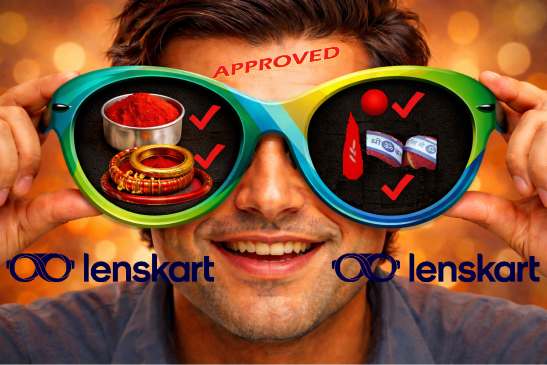
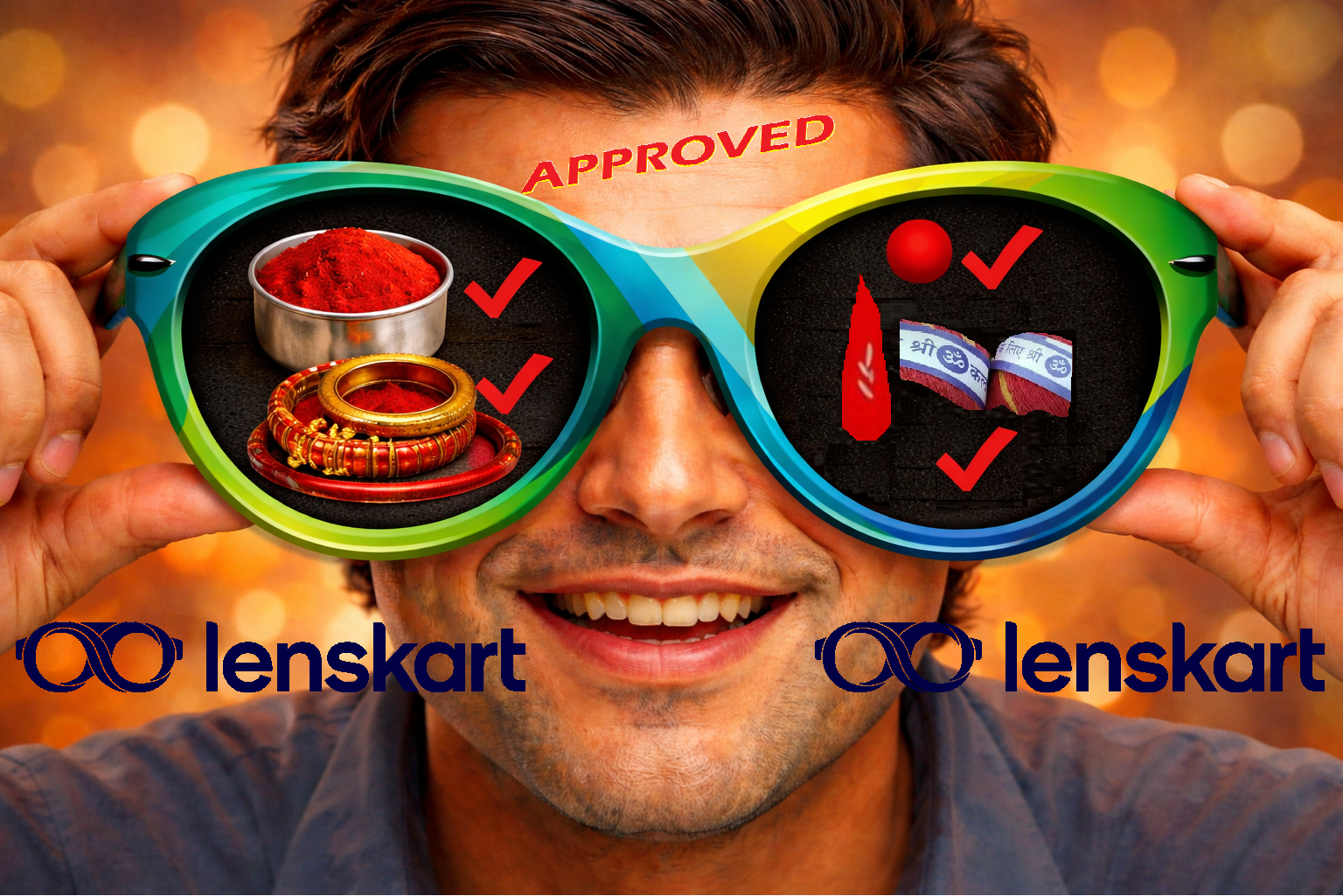
After Hindutva Backlash, Lenskart Issues New ‘Style Guide’ Approving Bindi, Sindoor, Tilak, and Kalwa.
Upendra Bharti | HENB | New Delhi | April 18, 2026:: A controversy surrounding eyewear retailer Lenskart has taken a decisive turn after the company issued a revised “Style Guide” permitting the display of Hindu cultural symbols such as bindi, sindoor, tilak, and kalawa among its staff. The move comes in the wake of sustained protests—both online and on the ground—by Hindutva groups and activists who alleged anti-Hindu bias in an earlier internal document.
Background: Internal Document Triggers Outrage
The row began after an alleged internal training document, dated February 2026, surfaced on social media. Critics claimed that the document restricted or discouraged visible Hindu identifiers like bindi, sindoor, and kalawa, while permitting other religious attire such as hijabs and turbans.
The perceived disparity quickly sparked outrage, with several Hindutva organizations and online forums mobilizing protests. Calls for a boycott of Lenskart gained traction, while some activists reportedly visited retail outlets to symbolically assert Hindu identity by greeting staff with tilak and kalawa.
Activism and Escalation
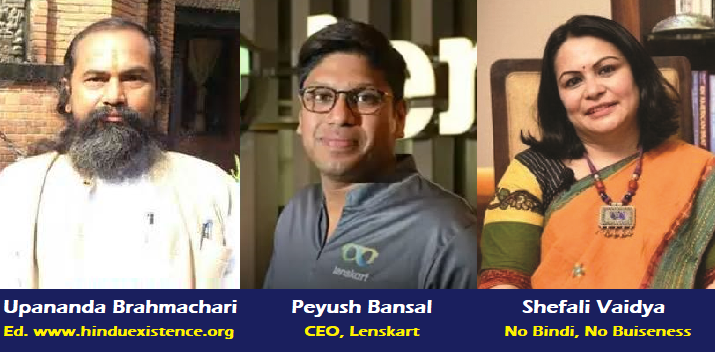
Prominent Hindutva voices, including Upananda Brahmachari and Shefali Vaidya, spearheaded a sustained campaign against Lenskart, accusing the company of adopting what they described as an “anti-Hindu” internal protocol. They argued that such guidelines were particularly objectionable coming from a company perceived to have Hindu leadership, with some critics further alleging possible alignment with “Halal-oriented” considerations.
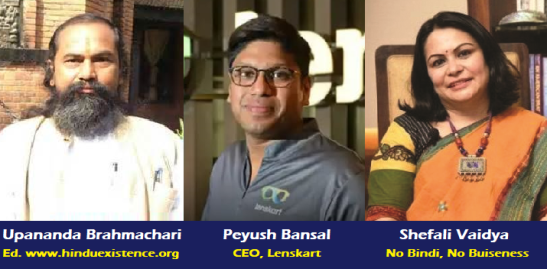
Amid the growing backlash, Lenskart CEO Peyush Bansal sought to calm the situation, stating that “the document currently circulating is an outdated internal training document” and “not an HR policy.” However, the clarification did little to quell criticism.
Responding on social media platform X (formerly Twitter), Brahmachari, through his handle @HinduExistence, questioned the explanation, arguing that even an internal training document reflected the company’s mindset. In a sharply worded remark, he criticized the document as “deeply objectionable” and accused the company of harbouring bias against Hindu practices.
Meanwhile, Shefali Vaidya continued her criticism of the company’s response, alleging that the clarification was an attempt to downplay the seriousness of the issue and deflect accountability.
The issue soon escalated into a broader ideological debate, with social media witnessing heated exchanges between supporters of the protest and those calling for restraint and verification of claims.
Revised Style Guide Issued
On April 18, 2026, Lenskart publicly released an updated “Style Guide,” signaling a clear shift in its stance. The revised guidelines explicitly permit:
- Accessories: “Cultural or religious items like sacred threads, bangles, kalawa, mangalsutra, kada or any other.”
- Body Art/Markings: “Religious, cultural or family marks (such as bindi, tilak, sindoor or any other).”
The company has not explicitly stated whether the ‘Style Guide’ revision was a direct response to the protests, but the timing suggests a strong correlation.
Reactions and Implications
Hindutva Supporters of the protest have hailed the development as a victory, claiming that coordinated public pressure compelled a major corporate entity to reconsider its policies. They argue that the episode demonstrates the growing influence of organized consumer activism in shaping corporate behavior.
A section of critics argues that the unified Hindutva response has reached a level capable of countering what they perceive as challenges to Hindu sentiments, interests, and identity.
Others, however, caution against framing the issue in purely ideological terms. Some observers note that corporate dress codes often evolve in response to feedback and that internal documents may not always reflect official policy. They warn that rapid escalation based on unverified or partial information can intensify social divisions.
Warning
The Lenskart controversy underscores the increasingly sensitive intersection of corporate governance, religious identity, and public sentiment in India. While the revised policy appears to have de-escalated immediate tensions, the episode highlights how quickly internal corporate matters can become flashpoints in the broader cultural and political discourse.
It is a clear warning that the present Hindutva generation is not prepared to tolerate any humiliation or discrimination anywhere, including in the corporate sector—be it TCS or Lenskart.
…
_Agency Inputs.





Pingback: Hindu Identity at Work: Responding to Dress-Code Rules – DharmaRenaissance Blog